

AI process improvement: starting with the process
Read More ›

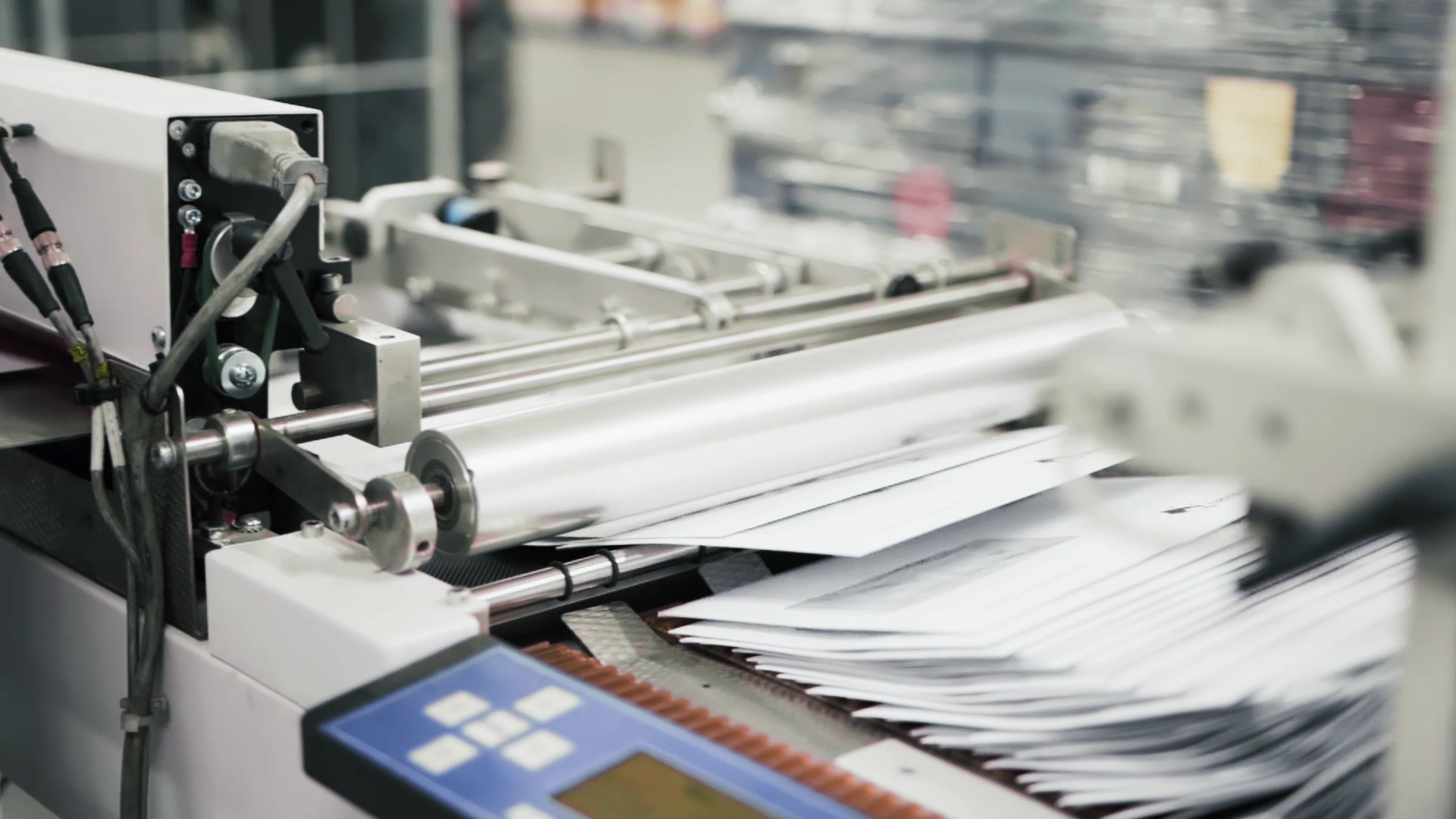
Most organisations know their customer communications could be more efficient, but their workflows still function.
Their documents go out on time. The document templates are approved. The process has been signed off. On the surface, everything appears to be working as it should. Print and postage waste are not obvious.
And yet, without a real multichannel approach, budget is quietly lost every day through print and postage through small, repeated inefficiencies, such as:
Individually, these issues cause frustration for the recipient, but may never be reported. Collectively, they represent a much larger problem of avoidable operational waste that most organisations simply don’t measure.
However, beneath this operational stability lies a significant and often invisible issue: avoidable print and postage waste.
This is especially true in communications for public sector organisations, financial services, and payroll environments, where high-volume documents such as council tax bills, rent statements or P60s are routine and business-critical.
For years, the print industry has focused on optimisation; improving speed, reducing unit costs and streamlining production. This approach assumes that every document entering the process deserves to be there.
The most expensive letter is not the one printed inefficiently. It’s the one that should never have been printed at all.
Returned mail, which is particularly common in local government or NHS departments, is a good example. It’s often treated as a performance metric and something to reduce over time. But by the time a letter is returned, the budget has already been wasted on print, postage, handling, and operational effort, sending something that was avoidable with intelligent logic.
Returned mail isn’t the problem. It’s a spotlight on a workflow that has room for improvement.

When we begin working with a new client, we find that in most cases, the process is technically ‘correct’. From a reporting perspective, letters are still being sent, SLAs are hit, and everything appears compliant.
One of the reasons print inefficiency persists is that it doesn’t present as a broken process. It’s when we look more closely that we see a different picture.
None of this is technically ‘wrong’, but all of it creates waste and often goes unnoticed.
As a forward-thinking supplier, we have built in intelligent logic to look beyond simply producing documents more efficiently. Instead, our sustainable mail solution asks whether the delivery of a document should be interrupted to reduce leakage and move the focus from output to decision-making.
It introduces logic at the earliest possible stage; before a document is generated, before a template is applied, before a cost is incurred.
By adding automated rejection validation, Aceni can prevent documents from entering production by:
As awareness increases, customer experience must now balance efficiency, compliance, accessibility, and sustainability.
Sending a standard letter to a visually impaired customer is not just inefficient; it’s a failure to meet their needs. If a recipient cannot read what you’ve sent, the communication hasn’t simply underperformed; it hasn’t worked at all. It exposes a gap in accessibility, adds a delay in understanding the message, and compromises independence and privacy.
On the same note, dispatching unnecessary communications or defaulting to print when digital channels are preferred increases not only cost, but also environmental impact.
For organisations, the impact goes beyond usability. Alongside additional costs from reissuing documents, handling extra queries, or raising compliance concerns, it reflects a gap between what organisations know and what they do. Many already hold data indicating accessibility needs, but fail to act on it at the point of communication.
When accessibility is built into decision-making before dispatch, rather than fixed afterwards, communication becomes not only more efficient, but more inclusive and responsible.
In this context, automation is not just about doing things faster. It’s about doing them more responsibly.
Across the public and private sector organisations are not dealing with broken processes. They are dealing with workflows that lack intelligence at the point of communication and lead to documents being produced unnecessarily.
Aceni helps organisations eliminate this hidden waste by validating, consolidating, and controlling communications before they are printed or dispatched, including printed documents and digital outputs.
Speak to the team to find out how Aceni can prevent waste before a letter ever reaches production.